
PMDA is an essential dianhydride with a mature process technology, strong cost position, and long field history.
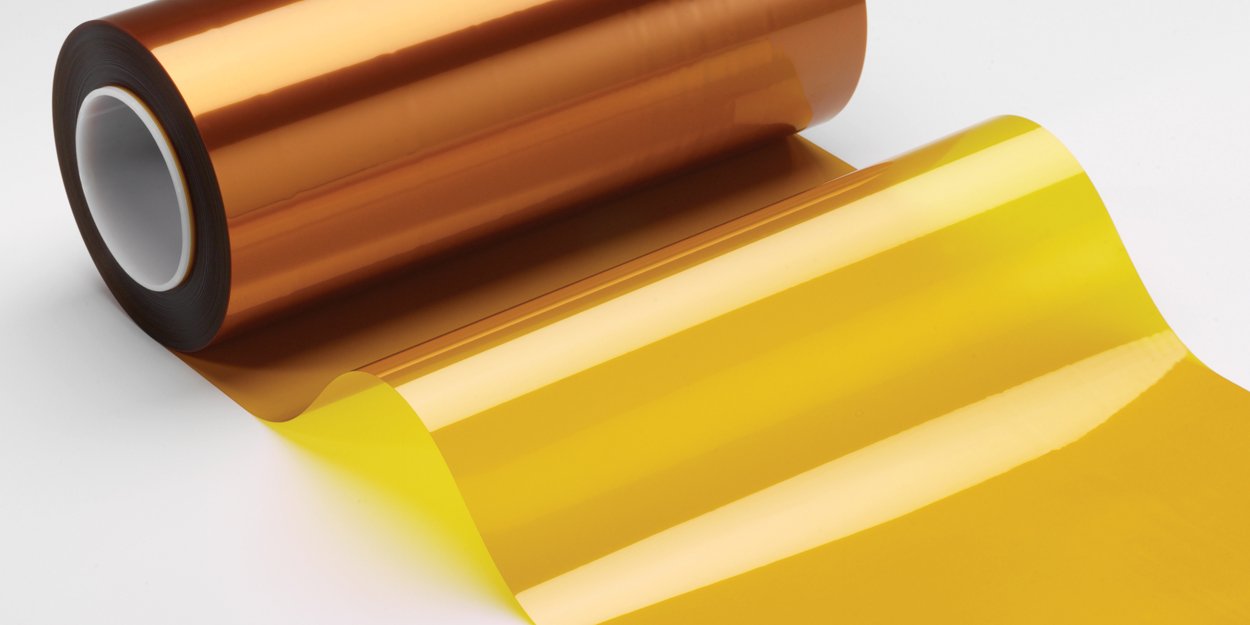
Image: Qnity
As a follow up to Technology Spotlight: Episode 4, let’s delve further into Pyromellitic dianhydride (PMDA) and its current industry status.
PMDA is a white, hygroscopic aromatic dianhydride best known as the classical building block for high‑temperature polyimides such as KAPTON, which set the benchmark for heat‑resistant films in aerospace and electronics. Its rigid benzene core with two anhydride functions yields polymers with exceptional thermal and oxidative stability, dimensional control, and dielectric performance[1, 2, 3].
Historically, PMDA’s rise is tied to the early development of engineering polyimides in the late 1950s/early 1960s, when DuPont and others introduced PMDA–ODA films that could withstand temperatures above 300 °C with excellent mechanical integrity. Commercial PMDA production around 1960 enabled broader use in electronics and aerospace insulation, and PMDA quickly became the standard in structure–property studies of aromatic polyimides. Since then, PMDA‑type systems have remained a cornerstone wherever long‑term heat resistance and electrical reliability are critical [1, 2, 4, 5].
PMDA’s primary role is in polyimide films, molded parts, and resins for printed circuit boards, flexible circuits, wire insulation, and high‑temperature composites. It is also widely employed as a thermal curing agent in epoxy systems for mass castings, powder coatings, and structural adhesives, and in masterbatch form as a chain extender for recycled PET in packaging applications. These uses leverage PMDA’s ability to raise glass transition temperature (Tg), hardness, and insulation performance in a relatively cost‑effective way[1, 3, 6].
Cost drivers for PMDA reflect both petrochemical inputs and EH&S overhead. PMDA is produced mainly by catalytic oxidation of Durene (1,2,4,5‑Tetramethylbenzene), so aromatics pricing, catalyst performance, energy intensity of gas-phase oxidation, or alternatively, chemical dehydration, and plant utilization rates all influence unit cost. Because PMDA is hygroscopic and a respiratory sensitizer, compliant handling, dust control, and packaging add to operating expenses, particularly under stricter worker protection regimes. Freight, tariffs, and the operating rate of large Chinese plants can further tighten or loosen global pricing[3, 7, 8, 9].
Today’s competitive landscape is centered in China, with Shijiazhuang Hope Technology and Arxada’s Nanjing operations widely cited as core producers. Below these leaders sits a second tier of smaller Chinese producers whose capacities and product consistency are more variable and often focused on regional or niche demand. A further complication is the presence of trading houses and others that market PMDA while actually toll‑processing Pyromellitic acid (PMA) or crude PMDA from third parties, then refining and repackaging it. For critical applications, supply chains need to be carefully vetted, verifying true manufacturing origin and business continuity rather than relying on catalog claims alone[7, 8, 9, 10, 11, 12].
Looking ahead, PMDA demand should remain resilient in high‑temperature electronics, EV and e‑mobility components, and advanced industrial coatings, supporting moderate global growth. At the same time, PMDA faces competition from newer dianhydrides, including fluorinated and semi‑alicyclic types, that offer better color, solubility, flexibility, and dielectric behavior. Environmental and health scrutiny of anhydride sensitizers, plus geopolitical and tariff risks, will push OEMs to deepen supplier audits, dual‑source outside of China where possible, and consider regionalization or onshoring for critical applications. PMDA’s mature process technology, strong cost position, and long field history mean it is likely to remain an essential dianhydride for for years to come[1, 2, 3, 5 ,6, 13, 14, 15].
KAPTON is a registered trademark of E.I. du Pont de Nemours and Company.
Looking for support on PMDA sourcing? Reach out today for an initial consultation.