
Don’t Botch Your Trade Show Strategy
Proper planning and execution are vital to trade show success.
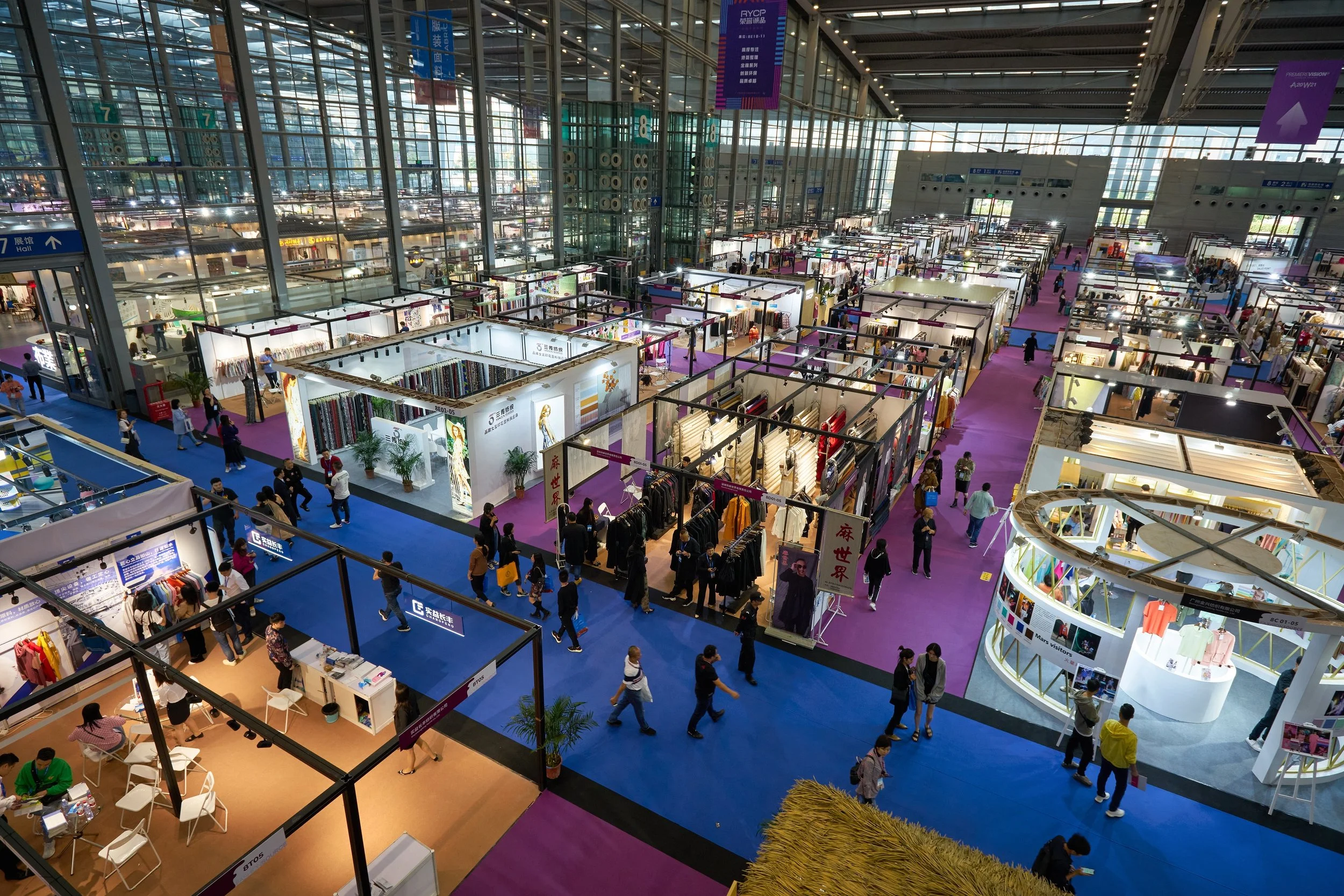
About one year ago, we covered the enduring legacy of trade shows in the post-pandemic world. Fast-forward to 2026, where trade shows are thriving, relying more than ever on building and maintaining relationships.
Let’s get into the keys to successful trade shows, especially in the fine and specialty chemicals industry. You may stop reading this now, thinking you’ve done trade shows for years and honed your skills. Rather, you should appreciate that these events are commercial tools, not perks or social outings, and to judge them by the quality of conversations, meetings, and follow-up they create[1, 2].
Choosing the right show is the first step. A broad event may offer visibility, but they are often overwhelming in size and scope. Narrower, technical shows are known to deliver better conversations with formulators, R&D teams, distributors, and purchasing decision-makers. The best choice depends on whether the audience matches your target market and whether the event supports a clear commercial goal for your business[1].
Budgeting needs to include much more than booth space. Total spend should account for travel, hotels, meals, sales collateral, staff time, and the internal cost of pulling personnel from their daily responsibilities. The booth display can be one of the biggest hidden expenses, especially when design, fabrication, graphics, lighting, shipping, storage, and setup are included. Pull-up banners are a cost-effective workaround. In any case, good display materials should be easy to use, transport, and understand. They should communicate a clear message quickly: who you are, what you offer, and why a visitor should care[3, 4]. How many booths have you walked by without understanding the company or its offerings?
Even attending without a booth has a real cost, because time spent walking the floor still means being away from other customers, projects, and internal work. The difference is that while walking may lower direct expenses, it makes the return harder to justify without a very focused plan[3, 4].
Staffing is another area where companies often over- or under-invest. In many cases, a small team works best: one commercial person and one technical expert, efficiently handling notes, contact capture, and coordination. Bigger shows may need more coverage, but overstaffing can often drive up costs without improving results[1].
Pre-planning is what separates productive trade show participation from lost opportunities. Before the event, the team should identify target accounts, schedule meetings, and define success metrics. Goals include lead count/engagement, customer and distributor discussions, and market intelligence. Many development opportunities are technical and involve a long sales cycle, so the value often comes from starting or advancing conversations, not closing deals[1].
The contact-capture process also matters. With badge scanners becoming the norm, business cards linger but still carry value by providing context. Every good conversation should be summarized with a short note: who the person is, what they need, what application they care about, how urgent the opportunity is, and what the next step should be. That information should be passed quickly to the team back at the office. If cards sit untouched for days, details go stale, their value falls sharply, and the prospect moves on[2].
Post-show follow-up is where many companies lose the benefit of all that effort. Leads should be sorted and qualified while the conversations are still fresh, because they do not convert without consistent, thoughtful follow-up. Your sales development representative (SDR) or other internal team member should process all leads via data entry, cordial outreach, and scheduling next steps.
Lastly, a structured debrief is imperative to review what was learned, which meetings were valuable, what competitors were active, and whether the event met expectations. It may turn out that other shows may be more relevant, walking the floor may be more beneficial than committing to next year’s booth, or renewals may be leveraged with the show organizers to gain a better booth location or speaking time slot at the next event.
In the fine and specialty chemical industry, trade shows are most valuable when they are treated as a disciplined project rather than just an event. The companies that win are the ones that choose carefully, budget honestly, design booths that communicate clearly, capture contacts well, follow up quickly, and are rewarded with new business[1, 2, 4].
Want to learn more about getting the most out of your trade show experience? Reach out today for an initial consultation.