
Technology Spotlight: Episode 24
Polyimide molding powders differ in chemistry, processing, and applications.
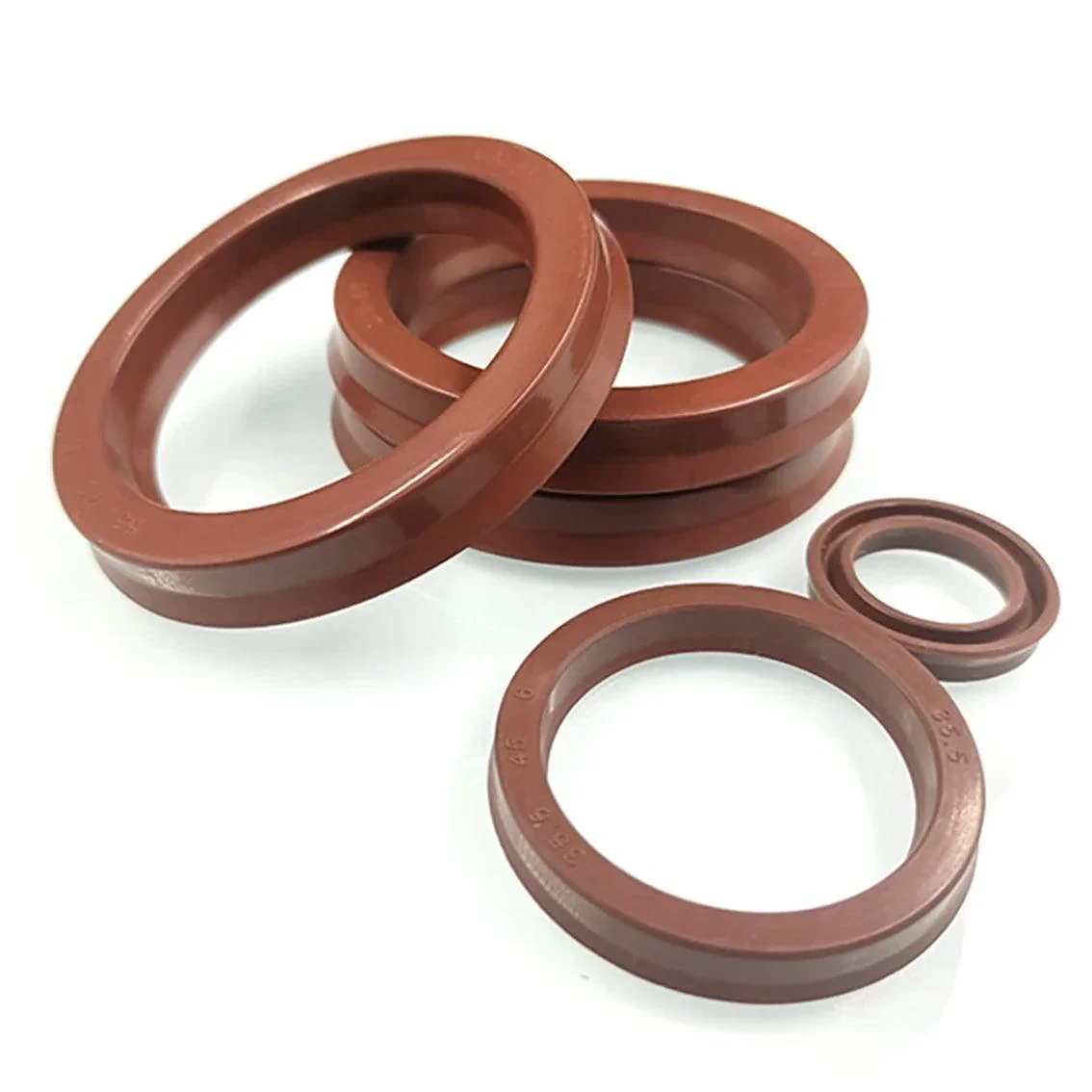
Image: Beeplastic
While our previous post on polyimide molding powders focused on supply chain security, let’s delve further into the technical merits of this material.
Polyimide molding powders occupy a distinct segment of the high-performance polymer landscape, combining thermal and dimensional stability, chemical resistance, and wear performance in a form suitable for compression molding and sintering processes. They are useful for bearings, seals, thrust washers, electrical insulation, aerospace hardware, and semiconductor equipment, where conventional engineering plastics can fail by creep, oxidation, or abrasive wear. The polyimide powder value proposition is straightforward: exceptional performance retention under severe service conditions at a premium price point[1, 2, 3, 4, 5].
Thermoplastic polyimides are generally favored when melt-or-soften processability, consolidation, and post-forming flexibility are important, even though true melt processing is often limited by the high glass-transition and decomposition temperatures inherent to aromatic polyimide chemistry. Thermosetting polyimides, by contrast, cure to a crosslinked network and are selected when maximum thermal stability, solvent resistance, and long-term dimensional retention are paramount. In practice, many commercial molding powders are engineered to optimize powder flow, sinterability, and final-part performance rather than to behave like commodity thermoplastics[2, 6, 7, 8].
The performance profile of polyimide powders is rooted in their rigid aromatic backbone and imide functionality, which confer high modulus retention, low creep, and strong resistance to thermo-oxidative degradation. These also support low friction and stable dielectric properties, making the materials attractive for tribological and electrical applications. In bearing and seal service, that combination can reduce lubrication dependence, maintain clearances more effectively, and extend service life relative to lower-temperature polymers. The result is a material class that is often chosen not for general-purpose versatility, but for reliability in narrow and demanding operating windows[3, 4, 5].
A critical formulation lever in polyimide powder design is dianhydride selection. BPDA (3,3',4,4'-Biphenyltetracarboxylic dianhydride), is especially important in very high-temperature systems because its rigid, linear architecture supports superior thermal resistance and mechanical retention. PMDA (Pyromellitic dianhydride) remains another cornerstone monomer in high-performance polyimide chemistry and is associated with benchmark systems such as DuPont’s VESPEL family. ODPA and other more flexible dianhydrides are used where processability, toughness, or reduced brittleness must be balanced against peak thermal performance. Thus, the dianhydride set governs not only thermal class but also powder handling, consolidation behavior, and the final stiffness-to-toughness balance[1, 6, 8, 9, 10, 11, 12, 13].
The supplier base is concentrated and specialized, with UBE, Evonik, DuPont, Saint-Gobain, Daelim, Ensinger, and BIEGLO all relevant in adjacent or overlapping segments. UBE’s UIP product line is built on the attributes of BPDA, while Evonik’s P84 platform has strong tribological positioning. DuPont’s VESPEL remains the reference benchmark for high-end molded parts. Saint-Gobain’s MELDIN, Daelim’s PLAVIS, Ensinger’s TECAPOWDER, and BIEGLO’s distribution role illustrate the broader ecosystem of producers, converters, and market-access intermediaries[1, 2, 7, 11, 13, 14, 15, 16, 17].
The outlook remains constructive in aerospace, semiconductor, industrial, and electrification markets, where temperature margin, wear life, and dimensional control are critical. Competition from PEEK, PPS, and other advanced polymers will remain strong, so future growth will depend on improved processing, tribological formulations, and dependable supply chains. Even so, polyimide molding powders are likely to retain their premium position wherever failure tolerance is low and service demands exceed the capability of conventional engineering plastics[2, 3, 4 ,5].
Interested to learn more about polyimide molding powders? Reach out today for an initial consultation.
All brand names cited are registered trademarks of their respective companies.