
How Polyimides Helped Artemis Reach the Moon
Learn how polyimides are essential for protecting vehicle, crew, and instrumentation.
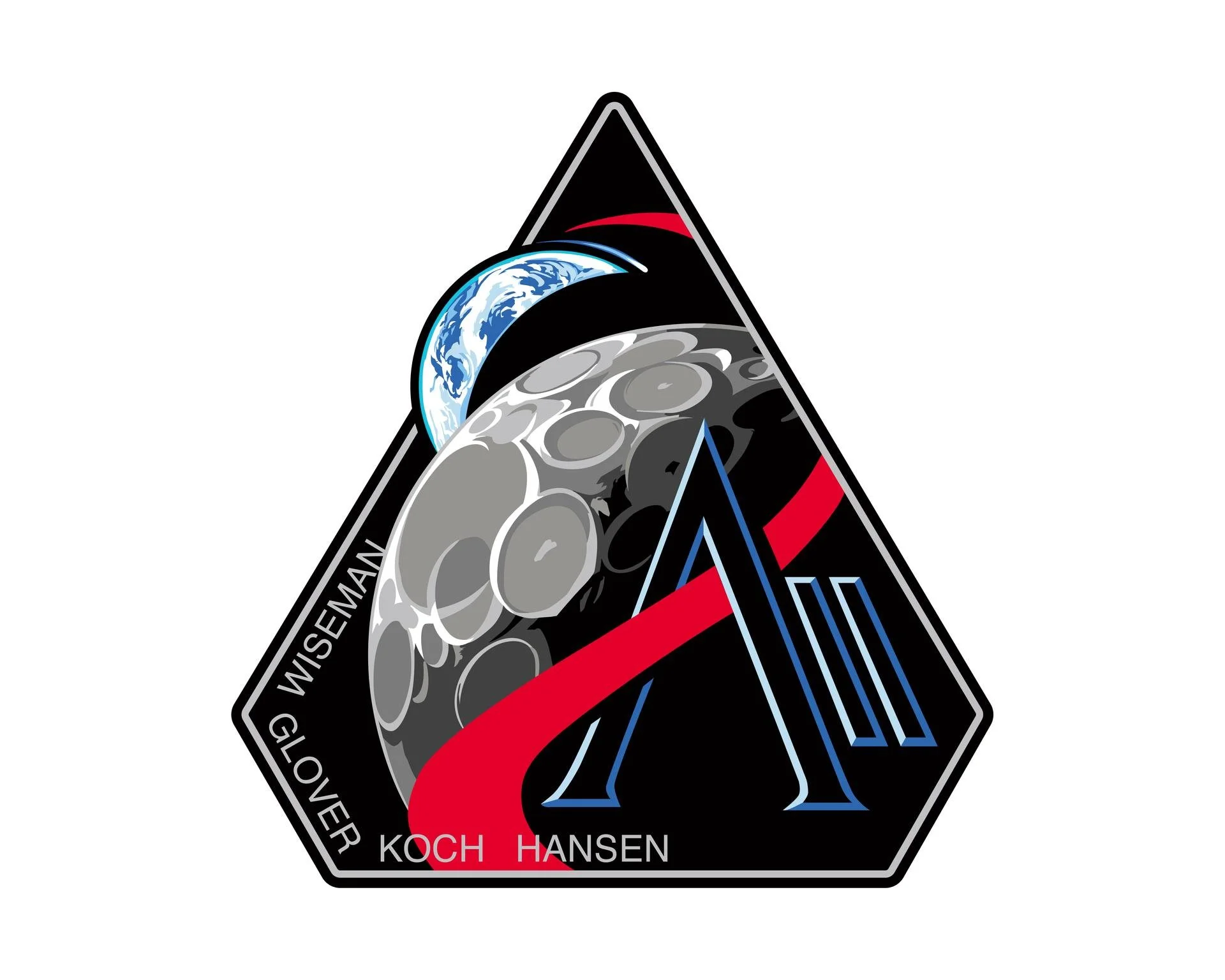
Image: NASA
With NASA’s Artemis program, Artemis II in particular, returning mankind to lunar orbit after a 50+ year hiatus, this felt like a good time to revisit the importance of material sciences in space flight.
Polyimide chemistry was a foundational enabling technology for Artemis because it provided materials that combine low density, high thermal/dimensional stability, and resistance to radiation and vacuum. Those property combinations are difficult to achieve simultaneously, which is why polyimides are widely used in aerospace systems where thermal cycling and strict mass limits dominate design[1, 2].
At the most basic level, polyimides are aromatic polymers with imide linkages that impart exceptional resistance to thermal degradation. In spacecraft applications, that chemistry translates into films, fibers, foams, coatings, and composite matrix resins that retain performance under the extreme temperature gradients encountered in space and on the lunar surface. For Artemis, this matters because every subsystem must operate across severe environmental swings while minimizing added mass[2, 3].
A major role for polyimides is thermal control. Thin polyimide films are used in multilayer insulation and related barrier architectures to reduce radiative heat transfer and protect sensitive avionics, cabling, and crew systems. Their low outgassing and mechanical stability make them especially suitable for vacuum environments, where material volatility and embrittlement can become mission-limiting failure modes[2, 3, 4].
Polyimides are also important in extravehicular activity systems. NASA’s Artemis suit material documentation identifies polyimide among the advanced materials used in the suit stack, alongside aramid- and glass-fiber reinforced elements. Polyimide layers contribute to thermal protection, abrasion resistance, and overall environmental shielding, helping the suit withstand ultraviolet exposure, particulate contamination, and mechanical wear during lunar surface operations, scheduled for 2028 and beyond[1, 4].
Their utility extends into spacecraft electronics and interconnects as well. Polyimide films are widely used as flexible substrates for circuits, cable wraps, and insulation because they retain dielectric performance and flexibility over a broad temperature range. For Artemis, where mass reduction and packaging efficiency are critical, that combination is valuable for reliable electrical integration[2, 3].
Polyimide chemistry also appears in surface hardware and optical or photovoltaic protection systems. Research on lunar relevant dust mitigation has shown polyimide-based coatings and substrates can support transparent, durable solar receiving surfaces, which is important because lunar dust is highly abrasive and electrostatically persistent. That makes polyimides useful not only for passive insulation but also for active hardware exposed to the regolith environment[5].
More broadly, Artemis illustrates how polyimides do not function as a single “moon material,” but as a platform family that supports thermal management, electrical insulation, protective layering, flexible circuitry, and surface durability. Their significance lies in this multiplicity: they help solve distinct engineering problems while preserving the low mass and high reliability that lunar missions demand[1, 2, 3].
Artemis is a good case study in applied materials science. The mission depends on ceramics, metals, composites, and polymers working together, and polyimides are one of the polymer classes that most clearly bridge laboratory chemistry and operational aerospace performance[2, 4].
Want to learn more about polyimides for your next project? Reach out today for an initial consultation.
NASA image reference https://images.nasa.gov/details/jsc2025e034457